
Not every product should be merchandised the same way. Everyday items can sit on open shelving where customers are encouraged to pick them up and compare options. Other products need a little more structure, either because they’re valuable, delicate, or simply deserve extra attention.
Knowing the difference helps retailers create a shopping experience that’s both practical and visually appealing.
Think About How Customers Interact With the Product
Before choosing a fixture, consider how the customer is expected to shop.
Some products are meant to be handled freely, while others are better viewed first and accessed with assistance if needed.
This often applies to:
- collectibles
- premium gifts
- fine jewelry
- handcrafted products
- limited-edition merchandise
Matching the fixture to the shopping experience usually leads to a better presentation.
Presentation Can Build Confidence
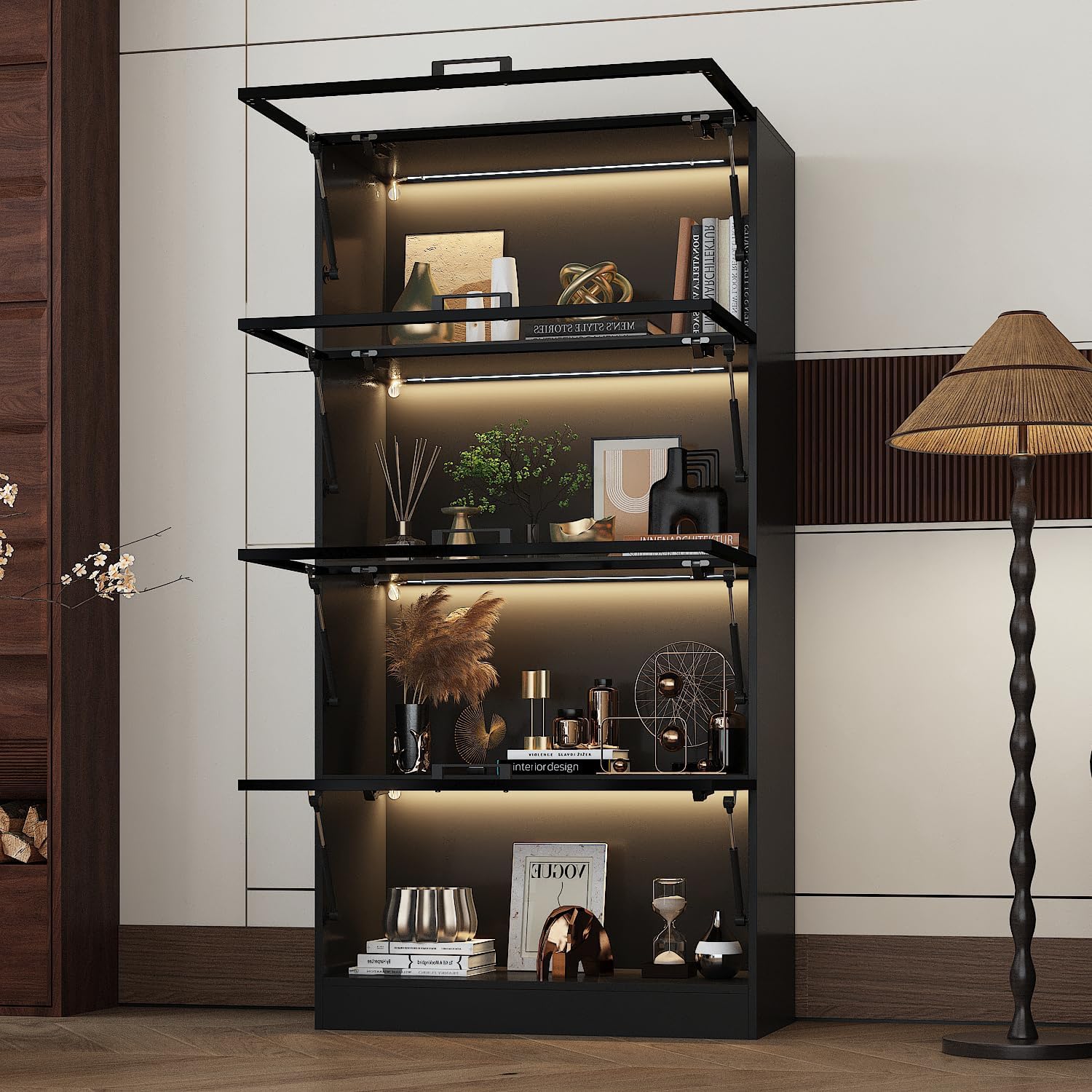
Customers often associate an organized display with a well-managed business.
When featured products are displayed neatly and given their own space, they naturally feel more valuable. That’s one reason retailers sometimes choose museum grade display cases for merchandise that benefits from a cleaner, more protected presentation.
The term “museum grade” isn’t just about security. It also reflects the idea of presenting products carefully, with clear visibility and minimal distractions.
Give Featured Items Room to Stand Out
A common merchandising mistake is placing premium products directly beside standard inventory.
Instead, create displays that allow customers to focus on one collection at a time. A little extra spacing can:
- improve visibility
- reduce visual clutter
- make products easier to compare
- encourage shoppers to slow down
The goal isn’t to display more products—it’s to display important products better.
Don’t Reserve Premium Displays for Luxury Stores
Thoughtful presentation isn’t limited to high-end retailers.
Gift shops, hobby stores, bookstores, sports retailers, and specialty boutiques can all benefit from creating dedicated feature areas. Even affordable products can feel more appealing when they’re presented with care.
It’s the presentation strategy that matters, not just the price tag.
Keep the Display Easy to Update
Feature displays shouldn’t stay exactly the same all year.
Rotating products, introducing seasonal collections, or highlighting new arrivals keeps displays interesting for returning customers. It also gives slower-moving products an opportunity to receive fresh attention.
Simple layouts make these updates quick and practical.
Use Lighting to Highlight Details
Some products rely on craftsmanship, texture, or fine details to justify their value.
Proper lighting helps customers notice those qualities without needing excessive signage or promotional messaging. A well-lit display naturally draws attention while making products easier to appreciate.
Good lighting should support the merchandise rather than dominate the display.
Presentation Should Match the Store’s Overall Style
Feature displays work best when they feel like part of the store rather than separate attractions.
Using consistent materials, finishes, and fixture styles creates a more cohesive shopping environment and helps premium displays blend naturally into the overall layout.
What This Comes Down To
Customers don’t just evaluate products—they evaluate how those products are presented.
Creating dedicated spaces for featured merchandise helps communicate value, improves visibility, and encourages shoppers to spend more time exploring the products that matter most. Sometimes the display itself is what convinces a customer to stop and take a closer look.